Common Applications for RFID Wristbands
Music festivals and concerts
Theme parks and water parks
Hotels and resorts
Hospitals and healthcare facilities
Fitness centres and gyms
Conferences and trade shows
Corporate offices and secure sites
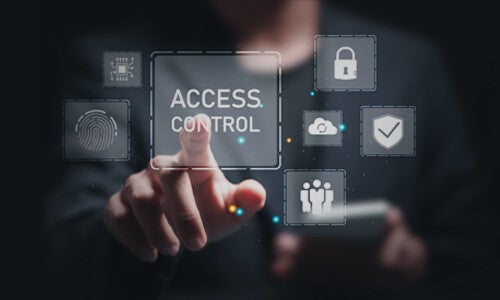
✅ Access Control
- Grants entry to events, concerts, festivals, hotels, gyms, and secure facilities.
- Prevents unauthorized access because each wristband has a unique ID.
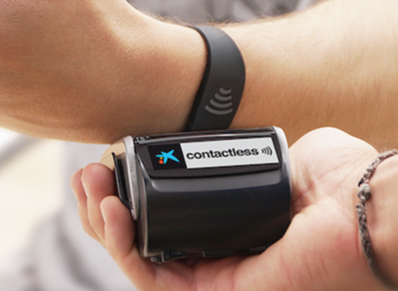
✅ Cashless Payments
- Users can purchase food, drinks, merchandise, or services by simply tapping their wristband.
- Reduces cash handling and speeds up transactions.
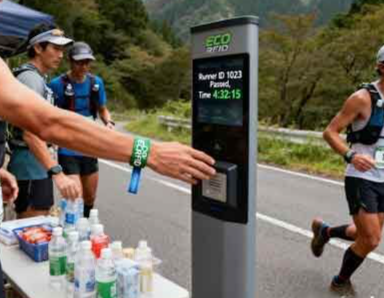
✅ Faster Check-In
- Eliminates manual ticket verification or paper passes.
- Reduces queues and improves user experience.

✅ Enhanced Security
- Harder to duplicate than traditional paper tickets.
- Lost wristbands can often be deactivated and replaced.

✅ Attendance Tracking
- Records when and where a person enters specific areas.
- Useful for conferences, schools, healthcare facilities, and workplaces.
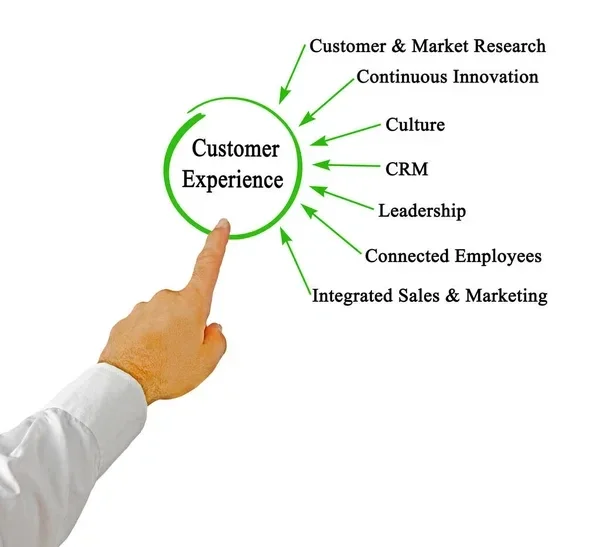
✅ Improved Customer Experience
- Quick tap-and-go interactions.
- Can be linked to loyalty programs, VIP access, or personalized services.
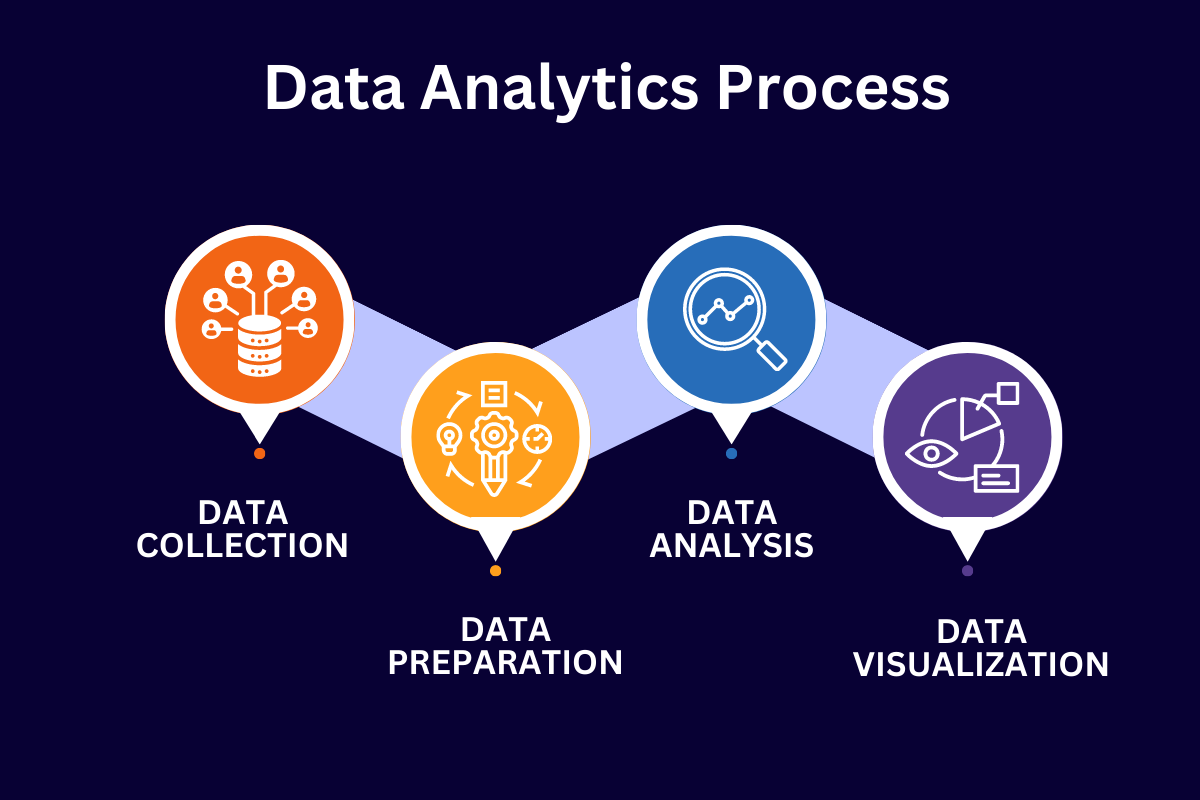
✅ Data & Analytics
- Event organizers can analyze visitor movement, popular locations, and peak usage times.
- Helps improve operations and future planning.
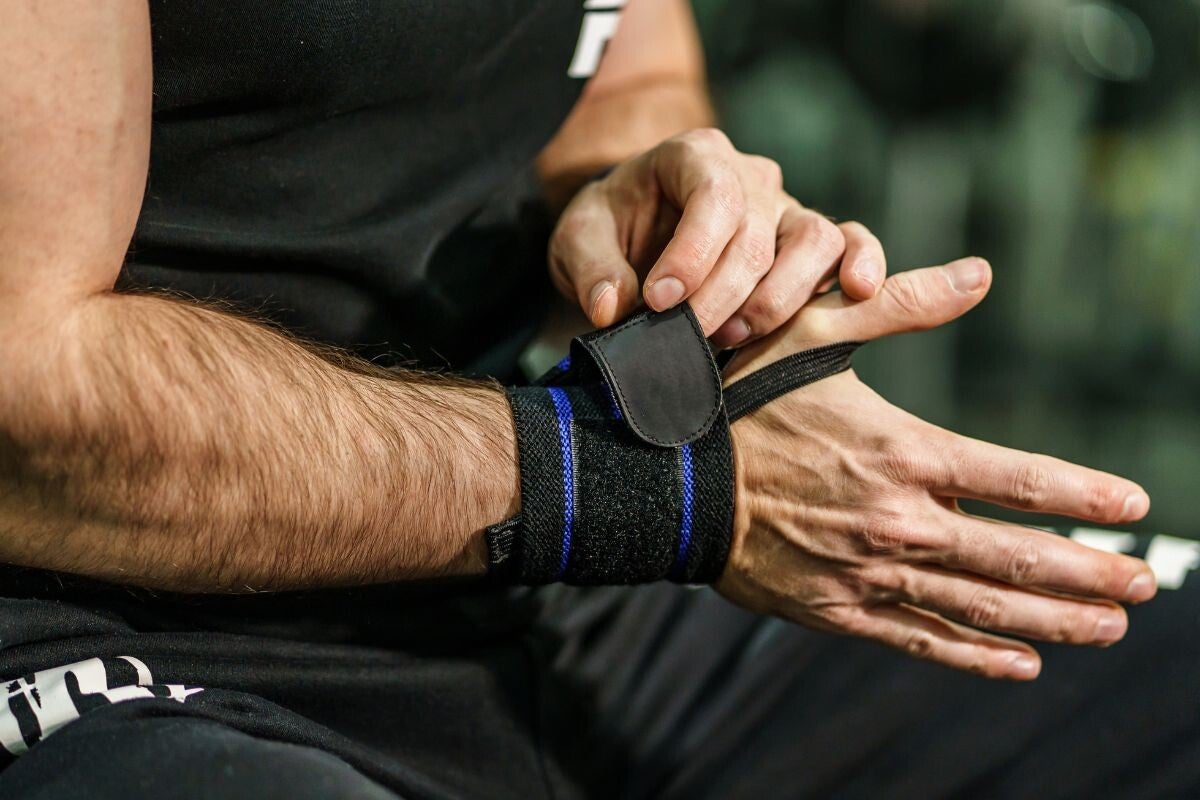
✅ Durability
- RFID wristbands are waterproof, lightweight, and resistant to wear.
- Suitable for multi-day events, resorts, water parks, and hospitals.

✅ Security Features
Many RFID chips support:
- Password protection
- Memory locking
- Encryption
- Mutual authentication
- Secure key storage
For example, high-security wristbands used for payments may employ encrypted chips so that copying the wristband is extremely difficult.
In practice, most organizations don't store all user information on the wristband itself. They program a unique ID onto the chip and use that ID to access records stored securely in their management system.